Q & Hair

Common Hair Care Myths: Trichologists Advice for Healthier Hair
Let’s separate the truth from the fiction and explore the science behind proper hair care so you can treat your locks with the love and attention they deserve.
Learn more
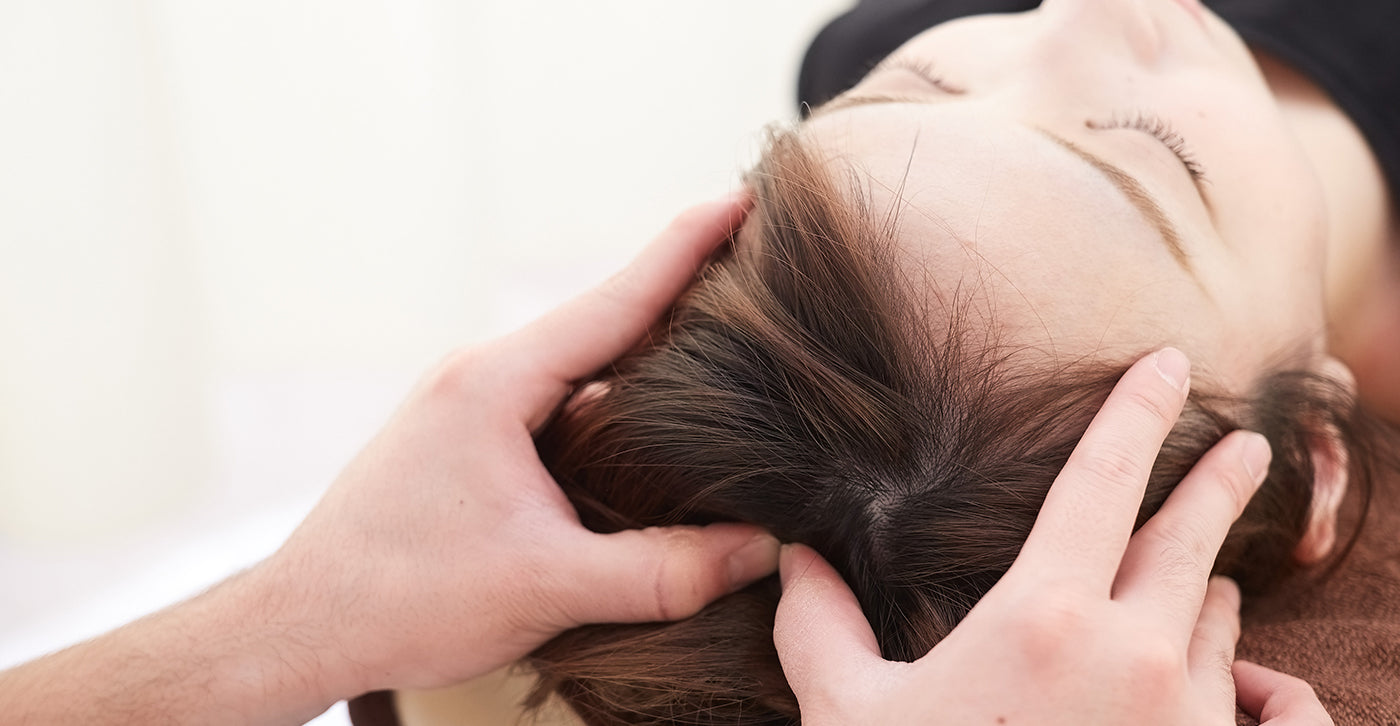
The Importance of Scalp Care: How Healthy Scalp Practices Support Stronger Hair
When you care for your scalp, you’re setting the stage for your hair’s growth potential.
Learn more
The Secret Behind Shampoo Foam: Why More Lather Doesn’t Always Mean Cleaner Hair
Remember: more foam doesn’t necessarily mean better cleaning. The quality of the ingredients and how well they nourish and balance your scalp is what truly matters.
Learn more
Why Supermarket Shampoos May Be Doing More Harm Than Good for Your Hair?
By being mindful of the ingredients in your shampoo and opting for high-quality, purpose-driven products, you can keep your hair healthy and avoid the damaging effects commonly found in supermarket alternatives.
Learn more
How Stress Impacts Hair Health: The Connection Between Mental Wellbeing and Hair Loss
While stress is an unavoidable part of life, its impact on your hair doesn’t have to be permanent. By managing stress levels through relaxation techniques, exercise, a balanced diet, and self-care, you can reduce its negative effects on your hair.
Learn more
Understanding the Role of Diet in Hair Health: Top Foods for Stronger Hair
We’ve all heard the saying “you are what you eat,” and when it comes to hair health, this couldn’t be more true. Nutrition plays a crucial role in maintaining healthy hair growth, and the foods you choose can significantly impact the condition, strength, and overall health of your locks. Let’s dive into the connection between diet and hair health, with a focus on key nutrients essential for promoting stronger, healthier hair. 1. Biotin: The Hair Growth Hero Biotin, also known as Vitamin B7, is often considered a superhero when it comes to promoting healthy hair growth. This water-soluble vitamin helps support the production of keratin, the protein that makes up your hair. A biotin deficiency can lead to hair thinning and even hair loss. So, what foods can boost your biotin intake? Eggs Almonds Avocados Sweet potatoes Incorporating these into your diet can help you maintain biotin levels, supporting the growth of thicker, more resilient hair. 2. Zinc: A Key Mineral for Hair Repair Zinc is another crucial nutrient when it comes to hair health. It plays a key role in repairing hair tissues and supports the growth and division of hair cells. Zinc also helps regulate the production of sebum, the natural oil that keeps your scalp moisturized. A deficiency in zinc can lead to hair loss, so it’s important to include zinc-rich foods in your diet. Pumpkin seeds Shellfish (like oysters) Lentils Spinach These foods are packed with zinc and can help ensure that your scalp remains healthy and your hair grows strong. 3. Omega-3 Fatty Acids: Nourishing Your Hair from the Inside Omega-3 fatty acids are essential fats that support overall health, and they’re especially important for healthy hair. These fats nourish hair follicles, reduce inflammation, and promote a healthy scalp, leading to shinier and more hydrated hair. Regular intake of omega-3s can also help reduce dry scalp conditions like dandruff. Salmon Chia seeds Flaxseeds Walnuts Adding these foods to your diet can help enhance the natural shine and softness of your hair. 4. Vitamin D: Supporting Hair Follicles Vitamin D plays an essential role in stimulating hair follicles and promoting new hair growth. A deficiency in vitamin D has been linked to various types of hair loss, including alopecia areata. Ensuring that you’re getting enough vitamin D can help promote healthy hair follicles and prevent hair thinning. Fatty fish (like salmon and mackerel) Egg yolks Fortified dairy products Mushrooms (exposed to sunlight) Incorporating these foods can help keep your hair follicles healthy and active. 5. Iron: Strengthening Hair and Preventing Hair Loss Iron is essential for carrying oxygen to your hair follicles, which is vital for maintaining healthy hair growth. Iron deficiency can lead to hair loss, and in some cases, it’s one of the main causes of female hair thinning. To keep your hair strong and vibrant, it’s important to include iron-rich foods in your diet. Red meat (like beef and liver) Spinach Beans Tofu These foods will help prevent iron deficiency, keeping your hair growth at its best. 6. Vitamin E: A Powerful Antioxidant for Scalp Health Vitamin E acts as a powerful antioxidant that helps improve scalp circulation and repair damaged hair follicles. It’s also great for protecting hair from free radicals, which can contribute to hair damage and loss. Including vitamin E in your diet can help keep both your scalp and hair healthy. Almonds Sunflower seeds Avocados Spinach These foods can help support a healthy scalp environment and promote stronger hair. 7. Vitamin A: Promoting Healthy Scalp and Hair Follicles Vitamin A is crucial for the production of sebum, the natural oil that keeps your scalp hydrated. This hydration is necessary for healthy hair follicles and overall hair health. An imbalance in sebum production can lead to scalp dryness, dandruff, and even hair thinning. Carrots Sweet potatoes Kale Butternut squash These foods help maintain a healthy scalp environment, promoting optimal hair growth. Conclusion A balanced diet rich in vitamins and minerals is key to supporting healthy hair growth and preventing hair thinning. By including foods that are high in biotin, zinc, omega-3 fatty acids, and other hair-boosting nutrients, you can strengthen your hair from the inside out. Remember, hair health doesn’t happen overnight—it’s about building consistent, healthy habits that support your scalp and hair follicles in the long run. So, nourish your body with the right foods, and your hair will thank you for it!
Learn more
Why Korea is Known for Its Advanced Hair Loss Treatments: Insights from Trichologists
Korea’s position as a leader in the hair loss industry is driven by its innovative research, advanced formulations, and commitment to scalp health.
Learn more
The Main Causes and Solutions for Hair Loss: What Trichologists Recommend
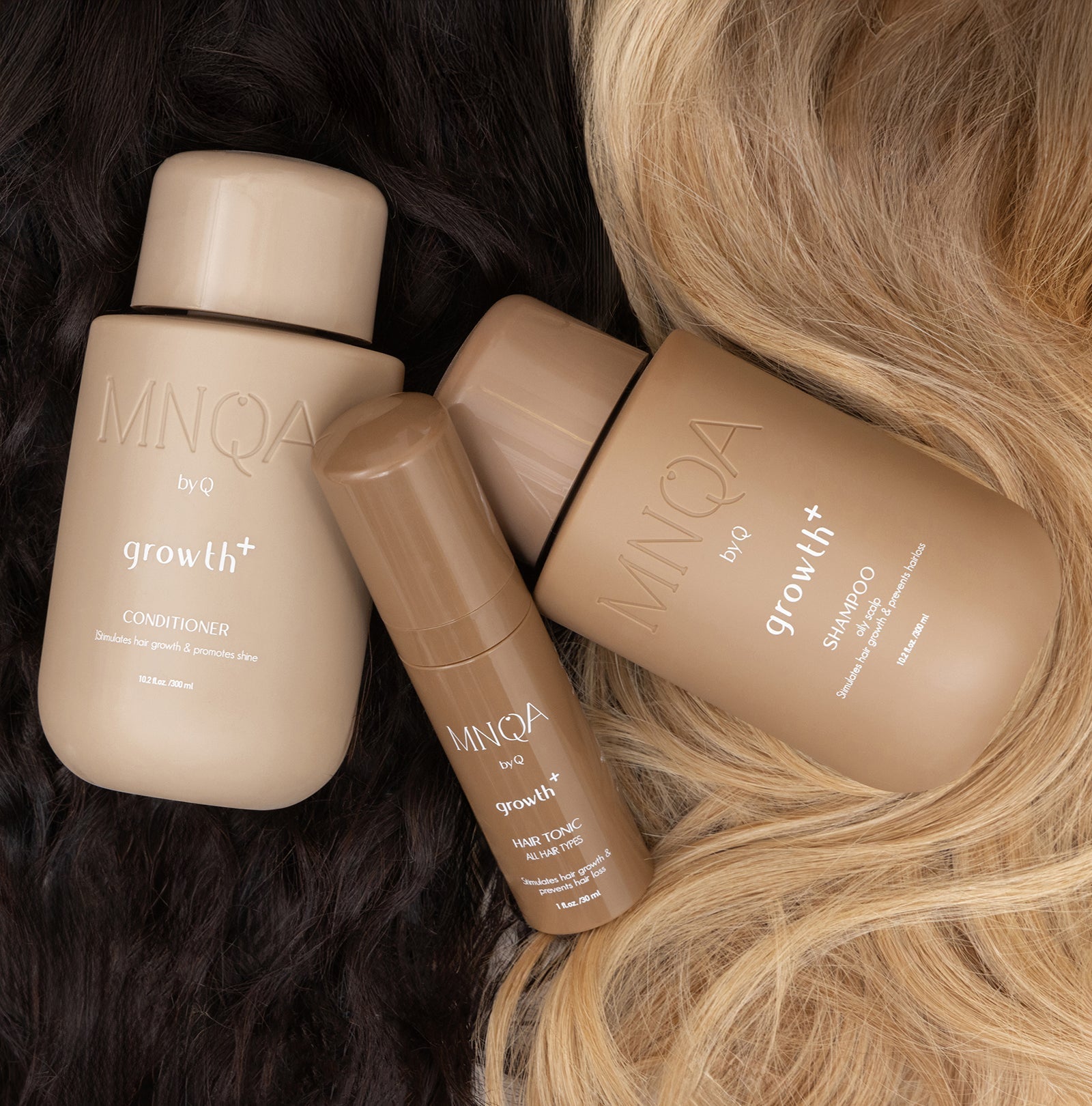
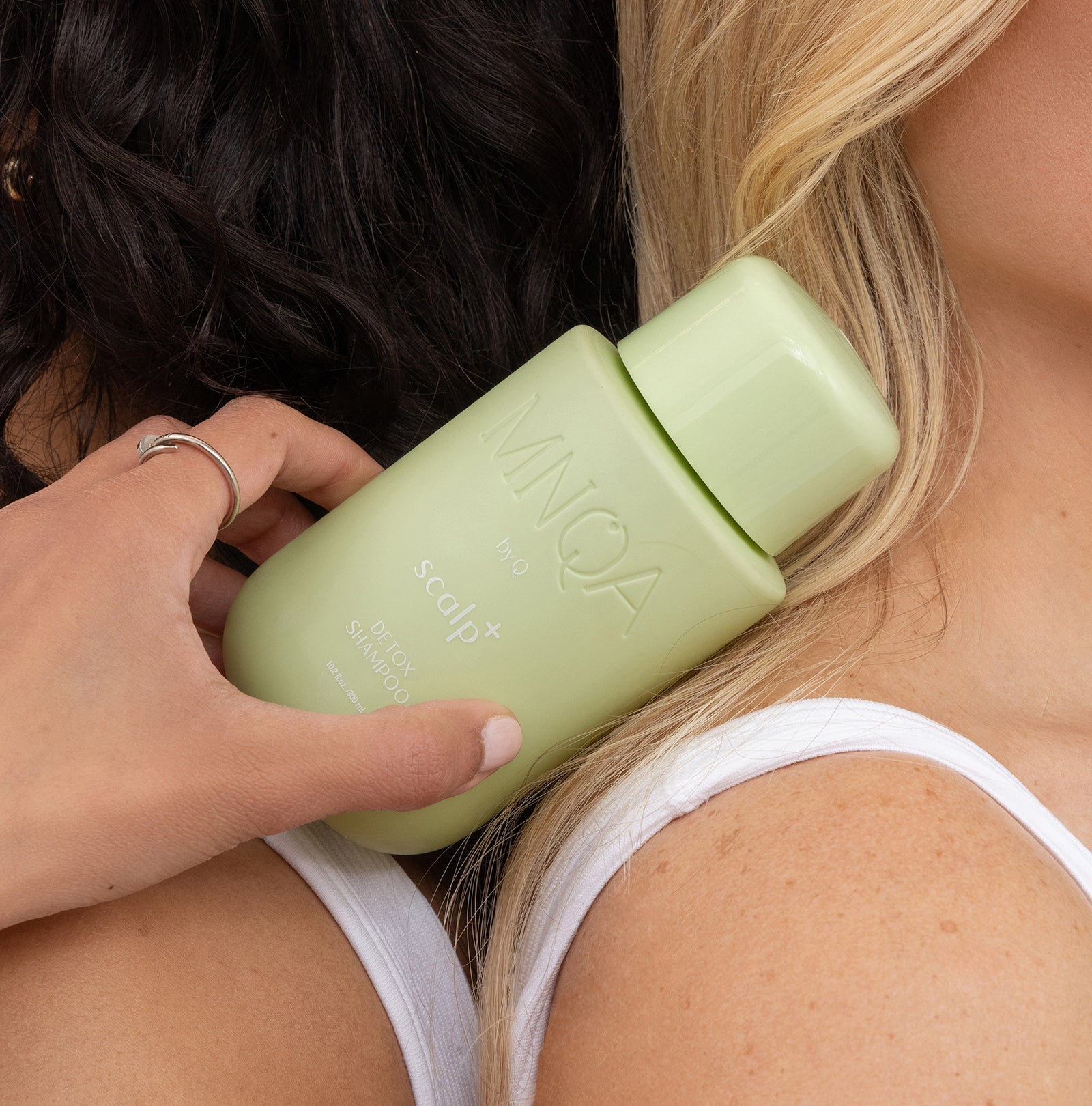
Hair loss can feel overwhelming, but you’re not alone—millions of people experience thinning, shedding, or slow growth. The key to tackling it? Understanding the cause and using the right solutions. Whether it's genetics, stress, or scalp health, here’s what trichologists recommend to help you regain stronger, healthier hair. What Causes Hair Loss? 1. Genetics (Androgenetic Alopecia) If hair loss runs in your family, you might experience male or female pattern baldness, caused by DHT (dihydrotestosterone), a hormone that shrinks hair follicles over time. Solution: Use DHT-blocking treatments and products that promote scalp circulation to support healthy follicles. 2. Stress & Hormonal Imbalances Emotional stress, postpartum recovery, and hormonal shifts can trigger telogen effluvium, a condition that forces more hair into the shedding phase. Solution: Managing stress, maintaining a balanced diet, and using strengthening hair serums can help reduce shedding. 3. Scalp Build-Up & Clogged Follicles Product residue, excess oil, and pollution can clog hair follicles, weakening hair and slowing growth. Solution: A deep-cleansing detox shampoo removes buildup, balances oil production, and creates the ideal environment for hair to thrive. 4. Poor Scalp Health A dry, irritated, or overly oily scalp can lead to inflammation and hair thinning. Solution: Regular scalp exfoliation and a targeted scalp treatment (like MNQA’s Growth Line!) can help keep follicles clear and balanced. 5. Nutritional Deficiencies A lack of iron, biotin, vitamin D, and protein can weaken hair strands, leading to breakage and slow growth. Solution: Eat a nutrient-rich diet with leafy greens, lean proteins, and omega-3s, or consider supplements if needed. 6. Overstyling & Heat Damage Excessive heat styling, tight hairstyles, and harsh chemicals weaken hair, leading to breakage and thinning over time. Solution: Reduce heat exposure, avoid tight ponytails, and use protective haircare products. How MNQA’s Growth Line & Detox Shampoo Can Help A healthy scalp is the foundation for strong hair, and MNQA’s Detox & Growth Line is designed to cleanse, strengthen, and nourish from the roots. MNQA Detox Shampoo: Deeply cleanses the scalp by removing buildup and excess oil, unclogging follicles to create the ideal environment for hair growth. MNQA Growth Shampoo: Gently strengthens and nourishes hair with advanced bio-formulas, reducing breakage and boosting thickness while regulating DHT production. MNQA Growth Conditioner: Packed with keratin to nourish and protect thinning hair, locking in moisture and fortifying the scalp to encourage healthy growth. MNQA Growth Tonic: Stimulates hair follicles, reduces shedding, and enhances scalp circulation, creating the perfect foundation for better regrowth and thicker hair. By incorporating MNQA’s Detox & Growth Line into your routine, you’re nourishing your scalp, preventing hair loss, and promoting stronger, healthier strands.
Learn more
Why Does Hair Grow at Different Rates for Individuals?
Hair growth varies from person to person due to a combination of internal and external factors. While some individuals naturally experience rapid growth, others may struggle with slower progress. Genetics play a crucial role, as DNA determines the speed of hair growth. Hormonal changes, such as those during pregnancy, menopause, or puberty, can also impact hair growth, either accelerating it or causing thinning. Age slows down the process, while a nutrient-rich diet supports strong, healthy strands. Underlying health conditions like thyroid disorders or anemia, as well as chronic stress, can disrupt the hair growth cycle. Additionally, hair care habits, such as excessive heat styling or chemical treatments, may damage the hair and hinder its growth. Medications, including chemotherapy and certain birth control pills, can also influence hair growth patterns. By understanding these factors, individuals can adopt better practices to encourage stronger, healthier hair.
Learn more